Insurance makes more sense once you stop seeing it as “one more bill” and start seeing it as protection against costs you couldn’t easily cover yourself. For older Americans, that generally means guarding what you’ve built, including your home, your savings and your family, against sudden financial blows. You don’t need to buy every policy on offer. What you want to avoid is being underinsured in the handful of areas where a single accident could mean years of money trouble.
Begin with coverage that shields you from lawsuits and huge bills.

Auto and homeowners liability coverage are important because an accident can lead to legal and medical costs far larger than most people imagine. After a serious car crash, the damage isn’t limited to a dented bumper. There are medical bills, lost wages and possible legal claims. Liability coverage is often what stands between you and the worst outcome, and it’s why “minimum coverage” seems like a bargain right up until the day it falls short.
Next, protect your home and your ability to bounce back from a disaster.

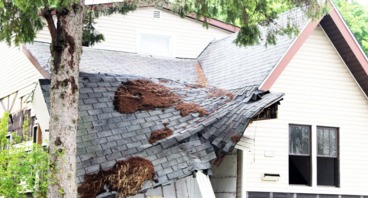
Homeowners and renters insurance do more than replace your belongings. Their bigger job is often helping you recover after a fire, serious storm damage, a theft or a liability claim. For homeowners, the key question is usually whether the policy would really let you rebuild or repair without emptying your savings. For renters, it’s whether you could replace the essentials and pay for temporary housing if you suddenly had to leave.
Whether you need life insurance depends less on your age than on who relies on your income.

Many older Americans think life insurance is only for young parents. It can still be important later on, though, if your spouse relies on your income, if you have debts that would pass to your estate, or if you want final expenses covered so your family isn’t strained while grieving. A good policy can be straightforward. What matters is tying the coverage to a clear purpose rather than buying something you don’t need.
The good news is that once you know what insurance is for, the uncertainty tends to go away.

Insurance is much less stressful when you approach it as a checklist: cover the big risks, close the gaps that could ruin you and don’t overpay for coverage that doesn’t make you any safer. With a clear purpose in mind, choices get simpler, and you can trust that your plan is actually protecting your life instead of just adding another monthly payment.