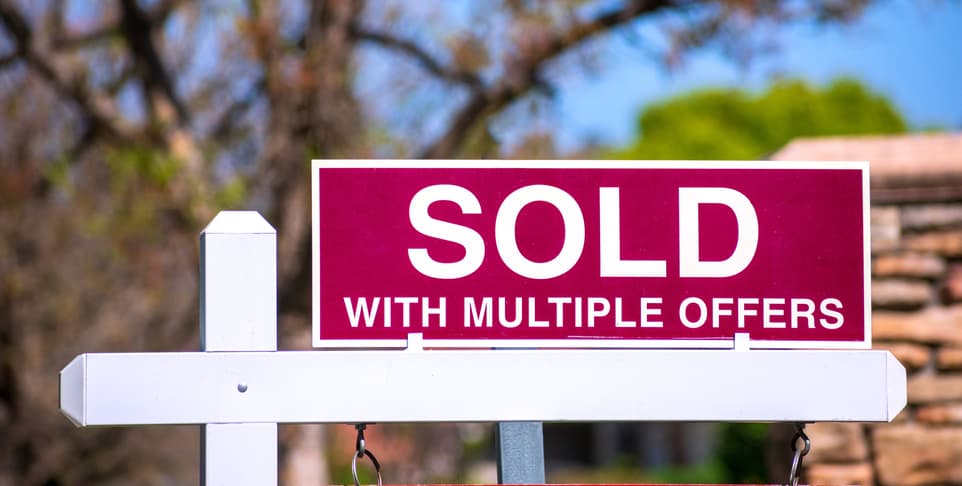
Higher mortgage rates, climbing prices and a serious shortage of homes (active listings fell 19 percent year over year last month) are pushing many buyers out of the market. A recent TD Bank survey found that nearly a third of first-time buyers intend to hold off until prices come down.
It's frustrating, no question. But stepping back gives buyers a chance to regroup and get ready for when they return to the market later. You could spend this time building up a bigger down payment, which would mean a lower mortgage rate and smaller monthly payments down the road. It could also help you get past high price points.
Are you stepping away from the market because of rising rates, prices or competition too? Experts say there are plenty of ways to put that time to good use and be ready for the next round.
Improve your credit
Your credit score plays a big role not only in whether you can buy a home, but also in whether you can do it affordably. Lenders look at your credit report to judge your overall risk as a borrower and how likely you are to repay what you owe.
Stronger payment histories and higher credit scores often go hand in hand with lower interest rates
Credit scores run from 300 to 850. Fannie Mae says a score of 740 or higher gets you the best mortgage rates. What if your score were 100 points lower? Depending on the loan size, your rate could go up by as much as 2.75 percentage points. That's the gap between a 5% and a 7.75 percent interest rate.
In a market where affordability is slipping away, qualifying for a lower rate can make a big difference for buyers waiting on the sidelines.
If your credit history is thin, begin by putting small, inexpensive purchases on a credit card and paying them off right away.
Payment history accounts for roughly 35% of your credit score, so late payments can drag it down. Set up autopay for your bills wherever you can so you don't miss a due date.
Try to pay down the debt you have and hold off on new debt, like a new car loan or another credit card. Both steps can help your credit score improve over time.
Put money aside
This is also a good time to save, ideally toward a larger down payment.
Your down payment doesn't have to come only from your paycheck. If you have a Roth IRA and aren't a first-time buyer, you may be able to use it. Stay away from riskier options such as 401(k) loans, and talk to a financial advisor or accountant before taking money out of any retirement account, since doing so comes with extra risk.
Texas' Homes for Heroes program is a good example of down payment assistance. It offers a down payment subsidy of up to 5% to police officers, teachers, first responders and other public servants in Texas. To look for similar programs where you live, get in touch with your state's housing agency or a local mortgage professional.
Beyond these programs, look for chances to save wherever you can. Don't overspend on the perfect rental. Choose a place that meets your needs for the least money.
Think about a longer rate lock on your mortgage
Mortgage rates have gone up in recent weeks. Since the start of the year they've risen from 3.11 percent to 5.11 percent, which on a median-priced home right now is the difference between a $1,731 monthly payment and a $2,201 one.
Most experts expect rates to keep rising. The Federal Reserve has begun tightening monetary policy to fight inflation, and that usually pushes up interest rates on loans and mortgages.
Sadly, that means most buyers who are sitting out will face higher rates when they come back, unless they lock in a rate now.
A rate lock holds an interest rate for you for a fixed period. Most locks last 30 to 60 days, and some lenders offer 90-day locks. Mortgage lender Homepoint even has fee-free "TBD locks," which let buyers lock a rate before choosing a property and hold it for up to six months.
Stay alert and be ready to move fast
If you decide to wait, it helps to know exactly what would bring you back into the market.
If it's reaching a certain amount of savings, work out that number and keep an eye on your bank balance. Decide what percentage drop in home prices or rates you'd need before you'd feel comfortable buying.
If you're holding out for a certain type of home or a house in a particular neighborhood, get clear on what you want, set up specific listing alerts and keep in regular contact with your agent. And when something that fits comes along? Be ready to act. Book a showing or virtual tour right away, and have your mortgage pre-approval ready to go.